 Indicator 1
Rejection of the democratic rules of the game |
Score 1 of 3
- Wins the December 1998 election cleanly, with 56 percent
-
A constituent assembly that the constitution does not
provide for is called, and his Patriotic Pole wins 121 of its 131 seats,
125 counting the indigenous delegates and others who sided with it; it
declares itself above every other power
-
The elected Congress is suspended in August 1999 and the
courts are purged by an emergency commission
|
Score 2 of 3
-
Forty nine laws are issued by decree in November 2001 under
powers the Assembly voted him, with no debate on any of them
-
A coup removes him for 47 hours in April, and the officer
corps is purged when he returns
-
The Supreme Tribunal declines to try the coup officers, and
the government starts planning how to replace its judges
|
Score 2 of 3
-
The Supreme Tribunal is enlarged from 20 seats to 32 in May
2004 and the new places are filled by simple majority
-
He submits to a recall vote in August 2004 and wins it, after
the electoral council has spent a year disqualifying
signatures
-
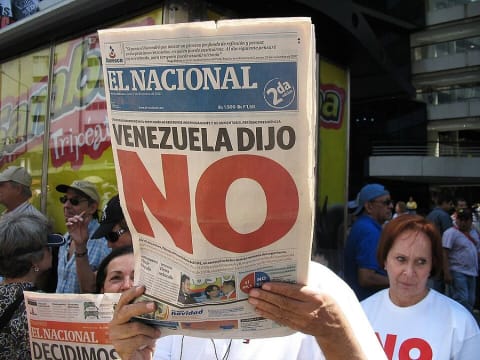
In December 2007 voters reject his constitutional reform and
he accepts the result on television that night
|
Score 3 of 3
-
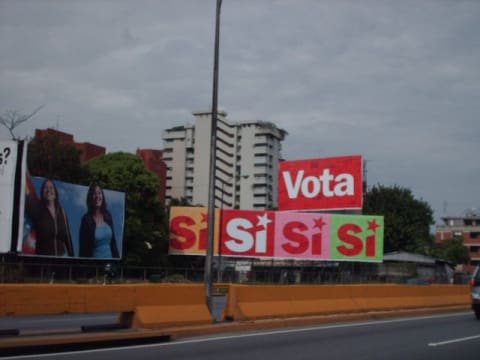
Term limits are abolished by referendum in February 2009, fourteen months after voters rejected the same measure inside a larger package
-
The opposition takes just under half the vote in September
2010 and 65 of 165 seats
-
The outgoing Assembly votes him 18 months of decree powers
in December 2010, before the new one can sit
|
Score 3 of 3
-
Chávez dies in March 2013 and Maduro wins by a point and a
half; the receipts are recounted but the check against the voter registers is refused
-
Maduro is voted decree powers in November 2013, as Chávez
was four times before him
-
Two mayors elected in opposition cities are removed and
jailed in March 2014 for not clearing the barricades
|
Score 3 of 3
-
The opposition wins two thirds of the Assembly in December
2015; the outgoing chamber appoints 13 new Supreme Tribunal
justices in its last days, and that court voids the
supermajority and rules the Assembly in contempt
-
The recall referendum against Maduro is stopped by regional
judges in October 2016
- Governors' elections due in 2016 are simply postponed
|
Score 3 of 3
-
The Supreme Tribunal takes the National Assembly's powers
for itself in March 2017
-
A constituent assembly is elected in July on rules written to
guarantee a government majority, and sits above every elected
body in the country
-
Opposition governors elected in October are made to swear
before it, and the one who refuses loses the state
|
Score 3 of 3
-
The 2018 presidential election is brought forward, the main
parties are barred, and the result is recognised almost
nowhere
-
In 2020 the courts hand the opposition parties, their names
and their symbols to leaderships the courts appoint
-
December 2020: the Assembly is taken back in a vote the
opposition boycotts, on about 30 percent turnout
|
Score 3 of 3
-
Under the Barbados agreement of 17 October 2023 the government promises a presidential election in the second half of 2024 with foreign observers invited
-
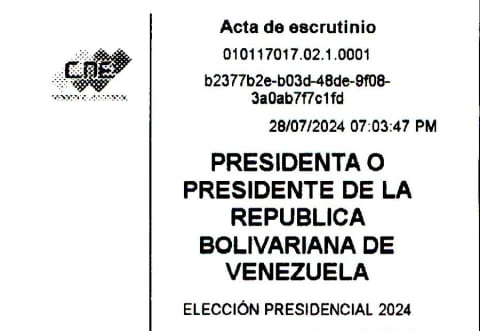
The electoral council declares Maduro the winner of the 28 July 2024 election with 51.2 percent and never publishes results by polling station; the opposition publishes the tally sheets it collected, which it says cover 82 percent of machines and give Edmundo González 67 percent
-
The Supreme Tribunal certifies Maduro's victory on 22 August 2024
|
Score 3 of 3
-
Maduro is sworn in for a third term on 10 January 2025
-
The main opposition boycotts the parliamentary and regional elections of 25 May 2025; the electoral council gives turnout as 42.66 percent, which opposition figures and independent analysts put far lower, and the government party takes 23 of 24 governorships
-
After Maduro is taken by United States forces, the Supreme Tribunal orders Vice President Delcy Rodríguez on 3 January 2026 to act as president, and she is sworn in on 5 January by the president of the National Assembly, her brother Jorge Rodríguez. By September 2026 no date has been set for a presidential election
|
 Indicator 2
Denial of the legitimacy of political opponents |
Score 1 of 3
-
The parties that governed for forty years are named a rancid
oligarchy and written out of public life
-
Opponents can still organise, publish and campaign, though congressmen are shut out of the chamber in August and the editor of El Mundo is pushed out in December
|
Score 2 of 3
-
After the April coup the opposition is routinely called golpistas, and escuálidos, Chávez's word for them since 2001, hardens into the standard one
-
The union and business leaders who called the oil strike are
prosecuted; one is arrested, the other leaves the country
|
Score 2 of 3
-
The Tascón list puts the names and identity numbers of 2.4
million people who signed the recall petition on the
internet
-
Signatories are refused public jobs, contracts and
documents; ministries check the list before hiring
|
Score 3 of 3
-
Judge María Lourdes Afiuni is arrested in her own courtroom hours after granting a defendant bail in December 2009, and the president asks on television the next day for the maximum sentence
-
Manuel Rosales, who ran against him in 2006, leaves for Peru
in 2009 ahead of a corruption trial
-
A former governor is jailed in 2010 over what he said on a
television talk show
|
Score 3 of 3
-
Leopoldo López hands himself in on 18 February 2014 and is
later sentenced to almost 14 years for the speeches he gave
-
María Corina Machado is stripped of her seat in the Assembly
in March 2014
-
Protesters are called fascists, and the shortages are blamed
on an economic war run from abroad
|
Score 3 of 3
-
Four deputies from Amazonas are suspended, three of them opposition, which is what removes the two thirds majority
-
The elected Assembly is declared to be in contempt, and from
2016 every law it passes is annulled as a matter of course
-
A chamber the voters have just filled is treated as an
illegitimate body from the day it is sworn in
|
Score 3 of 3
-
Henrique Capriles, twice a presidential candidate, is barred
from public office for 15 years in April 2017
-
Luisa Ortega Díaz, the attorney general who called the
takeover a rupture of the constitution, is removed by the
constituent assembly the day after it opens, and leaves the
country
-
Five opposition mayors are sentenced to 15 months over the protests, and four of them leave the country
|
Score 3 of 3
-
Twenty three elected deputies lose their immunity in 2019 alone, and are jailed, take refuge in embassies or leave
-
The deputy Juan Requesens is held for two years without a
verdict after a confession filmed in custody
-
The leadership of the Assembly is prosecuted while fifty
governments abroad recognise it
|
Score 3 of 3
-
María Corina Machado wins the opposition primary of October 2023 with 92 percent, and on 26 January 2024 the Supreme Tribunal upholds the 15 year ban on her holding office
-
The substitute she names, Corina Yoris, cannot register in March 2024, and Edmundo González, a retired diplomat, runs in her place
-
A warrant for González's arrest is issued on 2 September 2024, and he leaves for Spain on 7 September
|
Score 3 of 3
-
The amnesty law approved on 19 February 2026 covers offences tied to the protests of 2014 and 2017 and the elections of 2024 and 2025, but Human Rights Watch reports that key opposition figures are excluded
-
Foro Penal counts 1,196 political prisoners in February 2025 and 344 on 18 September 2026; releases continue after government and opposition talks in September
-
María Corina Machado, outside the country since December 2025, is stopped from returning three times within 24 hours in September 2026; reports disagree about who stopped her
|
 Indicator 3
Toleration or encouragement of violence |
Score 1 of 3
-
The failed coup he led in February 1992, in which soldiers
and civilians died, stays the founding act of the movement
and is never disowned
-
Rival crowds fight outside Congress in August and dozens are hurt, but there is no sustained campaign of political violence, and the new constitution widens rights on paper
|
Score 2 of 3
-
At least 19 people are shot dead around the Llaguno overpass
in central Caracas on 11 April 2002, with gunmen firing from
both sides
-
Bolivarian Circles, neighbourhood groups organised and paid
for from the presidency, are formed the year before and some
of them are armed
|
Score 2 of 3
-
The February 2004 protests over the stalled recall petition are put down with buckshot and tear gas, and about a dozen people are killed
-
Gunmen ride into the Central University of Venezuela on 7
November 2007 and shoot at students back from a march against the constitutional reform
|
Score 2 of 3
-
In August 2009 an armed group led by a pro-government
activist attacks the Globovisión studios with tear gas
-
Colectivos operate openly in Caracas neighbourhoods the police leave to them
-
Killings of trade unionists and peasant leaders go
unpunished year after year
|
Score 3 of 3
-
Forty three people are killed between February and July 2014:
protesters, bystanders and members of the security forces
-
Armed men on motorbikes ride into marches while the National Guard fires tear gas canisters straight into crowds
-
Beatings and torture of detainees are documented by human rights groups in Caracas and in states across the country
|
Score 3 of 3
-
The police operation launched in July 2015 kills hundreds of
people in raids on poor neighbourhoods, and almost nobody is
prosecuted for any of it
-
Food queues turn into riots through 2016 and are answered by
the National Guard
-
Armed men shoot dead the opposition's local leader Luis Manuel Díaz at a campaign rally in November 2015
|
Score 3 of 3
-
More than 120 people are killed in four months of protest
between April and July 2017
-
Colectivos storm the National Assembly on 5 July 2017 and
beat deputies inside the building
-
Civilians are tried in military courts, and torture in
detention is documented by Human Rights Watch
|
Score 3 of 3
-
A United Nations report in July 2019 counts more than five
thousand killings by the security forces in 2018 alone,
recorded as resistance to authority
-
A United Nations fact finding mission concludes in September
2020 that crimes against humanity have been committed
-
Armed colectivos are the effective authority in whole
neighbourhoods
|
Score 3 of 3
-
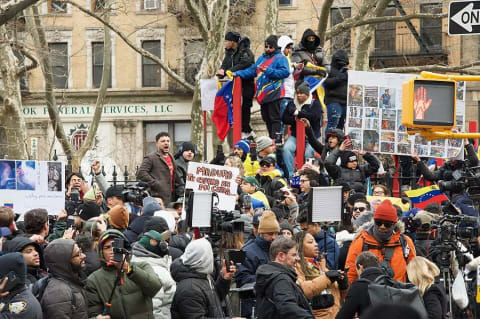
Human Rights Watch counts 24 protesters and bystanders killed after the July 2024 election, and more than 2,000 people detained
-
Maduro says in public that the protesters are going to Tocorón and Tocuyito, maximum security prisons
|
Score 3 of 3
-
The United Nations fact finding mission reports on 16 September 2026 64 new cases of torture after 3 January alone, and says the reduction in the harshest repression does not amount to a change in the system that produced it
-
Víctor Quero Navas, a street vendor arrested in January 2025, dies in custody while the authorities conceal where he is held
-
Human Rights Watch reports in September 2025 that dozens of political prisoners have been held with no contact with the outside world for weeks, months and in some cases over a year
|
 Indicator 4
Readiness to curtail civil liberties and the press |
Score 1 of 3
-
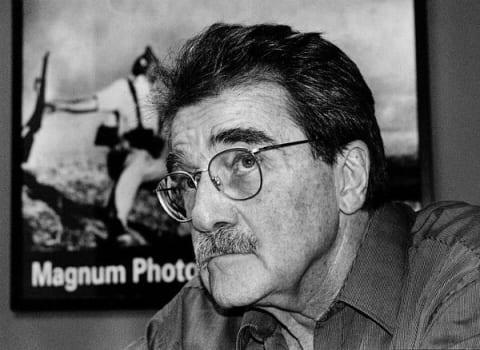
Private television and the big papers criticise him freely, but he leans on El Mundo's owners and its editor Teodoro Petkoff is out by December 1999
-
Aló Presidente starts in May 1999, and the mandatory
broadcast, which takes every channel at once, becomes a
routine instrument
|
Score 2 of 3
-
The private channels take a side in the April coup, and
broadcasting is treated as a battlefield by both sides from
then on
-
Mandatory nationwide broadcasts take up 73 hours of air time in 2002, and about 195 a year across the decade
- Reporters covering marches are attacked in the street
|
Score 3 of 3
-
RCTV, the oldest and most watched channel in the country,
goes off air on 27 May 2007 when its licence is not renewed
-
The broadcasting law of December 2004 lets the regulator
fine or suspend a station over its content
-
A 2005 change to the penal code makes insulting the
president punishable by prison
|
Score 3 of 3
-
Thirty two radio stations and two television channels are closed in a single week in the summer of 2009
-
RCTV, still on cable, is taken off cable too in January 2010
-
The broadcasting law is extended to the internet in December
2010
|
Score 3 of 3
-
Globovisión, the last critical television channel, is sold
in 2013 to owners close to the government and changes its
line within weeks
-
Newspapers run out of newsprint because the state controls
the imports, and dozens shrink or stop
-
The Colombian channel NTN24 is pulled off cable in February
2014 for showing the protests
|
Score 3 of 3
-
The state stops publishing inflation and health figures, so
the collapse cannot be measured from inside the country
-
El Carabobeño, a daily of 82 years, prints its last paper
edition in March 2016 for want of newsprint
- Foreign reporters are detained and deported
|
Score 3 of 3
-
CNN en Español is taken off the air in February 2017 after
an investigation the government disliked
-
The constituent assembly passes a law against hatred in
November 2017, with up to 20 years in prison for what people
say online
-
Websites and broadcasts are cut while the Assembly is
sitting
|
Score 3 of 3
-
El Nacional prints its last paper edition in December 2018,
75 years after its first, and survives only as a website
-
Radio stations are closed by the dozen every year, and the
internet is cut during opposition broadcasts
-
Reporting on the pandemic in 2020 brings arrests under the
hate law
|
Score 3 of 3
-
A law bringing non governmental organisations under state oversight is passed in August 2024 and enacted on 15 November
-
Foro Penal counts 129 adolescents among those detained after the election by 18 August 2024; 86 teenagers are released between 29 August and 1 September
|
Score 3 of 3
-
At least 14 journalists and media workers are detained on 5 January 2026, the day Rodríguez is sworn in, and a CNN correspondent is deported
-
By 26 February 2026 all 28 detained journalists and press workers have been released, most on conditions such as reporting to a court every 15 days
-
Amnesty International counts at least 485 people still arbitrarily detained for political reasons in April 2026
|
 Indicator 5
Who could still hold him to account
Added, not from the book |
Score 1 of 3
-
A Congress and a Supreme Court elected under the old
constitution, four private national channels, a union
federation, the church and an oil company run by its own
managers
-
Congress and the courts are overridden by the constituent assembly inside the first year; the unions, the church, the channels and the oil company hold out longer
|
Score 1 of 3
-
Business, the unions, the oil managers and part of the
officer corps remove him for 47 hours in April, and he comes
back
-
From December the oil strike shuts off most of the country's income for two months
-
He is, at this point, still a man who can be forced out of
the building
|
Score 2 of 3
-
By early 2003 about 18,000 oil company staff have been dismissed, and the company that funds the state can no longer refuse anything
-
Voters are still a check: 3.5 million sign the recall petition, well past the 2.4 million needed, and in December 2007 they defeat his
constitutional reform
-
His own former defence minister breaks with him publicly
over that reform, and is jailed within two years
|
Score 2 of 3
-
After Judge Afiuni is jailed for a ruling he did not like, lower court judges say openly that nobody wants to be the next Afiuni
-
Voters are still a hurdle: the seat map is redrawn in 2009, which is why almost half the vote in 2010 buys the opposition only 65 seats
-
The oil price falls and the economy shrinks in both 2009 and 2010, so the money that pays for the programmes is the constraint he cannot legislate away
|
Score 2 of 3
-
The April 2013 election is almost lost, so the electorate is
still within reach of removing the government
-
The oil price collapses at the end of 2014, and foreign
bondholders become the creditor that has to be paid first
-
The street answers back for three months, and 43 are killed by July
|
Score 2 of 3
-
In December 2015 the voters hand the opposition two thirds
of the National Assembly, the last national election it is
allowed to win
-
Within a month the court has voided the majority, and within
a year the recall referendum is stopped and the governors'
elections postponed
-
Losing an election has stopped costing the government
anything
|
Score 3 of 3
-
The constituent assembly installed in August 2017 sits above
every elected body, and removes the attorney general who challenged it as unconstitutional
-
Nothing inside the country can now say no: not the Assembly,
not the courts, not the prosecutors, not the ballot
-
Sanctions and the price of a barrel are the only constraints
left, and both come from outside
|
Score 3 of 3
-
December 2020 takes back the National Assembly, the last
elected body the government did not hold
-
Fifty governments recognise a rival president who controls
no ministry, no barracks and no border post
-
The army, kept loyal with ministries and oil contracts, is
the only institution that could still decide anything
|
Score 3 of 3
-
By the opposition's tally sheets the voters reject Maduro by more than two to one in July 2024, and the result stands anyway: the count is never published and the court certifies it
-
In the November 2021 regional elections the Supreme Tribunal disqualifies the opposition candidate for governor of Barinas and orders a rerun; the opposition wins the rerun in January 2022 with another candidate
-
Outside pressure comes and goes: the United States eases oil sanctions the day after the Barbados agreement and lets the licence expire in April 2024, and the Carter Center says on 30 July that the election cannot be considered democratic
|
Score 3 of 3
-
On 3 January 2026 United States forces strike targets in and around Caracas and take Maduro and his wife Cilia Flores to New York, where they plead not guilty on 5 January to narco-terrorism and drug trafficking charges. What removed him came from outside the country; no court, assembly, election or army unit inside it did
-
The government around him stays in office: his vice president governs, her brother leads the Assembly, and when the defence minister Vladimir Padrino López is replaced on 18 March 2026 it is by her decision
-
President Trump says the United States will run the country until a transition, and that the proceeds of the oil the interim authorities hand over will be under United States control; at the United Nations in September 2026 Rodríguez says the people will decide the right moment for an election
|